

Every dog parent knows that water is essential, but understanding why hydration is so vital and how to keep your pup drinking enough can make a huge difference in their health, energy levels, and overall quality of life. Just like humans, dogs rely on water for key bodily functions such as digestion, nutrient absorption, waste elimination, joint cushioning, and regulating body temperature. Below, we explore the signs of dehydration, risks associated with inadequate hydration, and practical tips to help your dog drink more water every day.
Why Hydration Matters for Dogs
Water makes up a significant portion of a dog’s body and plays a crucial role in nearly all physiological processes:
- Temperature Regulation: Dogs cool themselves primarily through panting. Without enough water, this cooling system struggles.
- Organ Function: Water supports the kidneys, liver, and urinary tract, which are all key systems for filtering toxins and maintaining overall health.
- Digestion & Nutrient Transport: Hydration helps break down food and carry nutrients where they’re needed.
Without enough water, your dog’s body simply can’t function optimally, making hydration one of the simplest yet most overlooked aspects of canine wellness.
Recognizing Signs of Dehydration
Dogs can’t tell us when they’re thirsty, so it’s up to us to watch for clues that something may be off. Early signs of dehydration include:
- Dry gums and nose.
- Excessive panting or thick saliva.
- Lethargy or weakness.
- Sunken eyes or dull expression.
- Reduced urine output or darker-colored urine.
- Loss of skin elasticity.
If you notice any of these signs, encourage water intake right away and consult your veterinarian if symptoms persist.
Health Risks of Inadequate Hydration
Persistent dehydration isn’t just uncomfortable; it can be dangerous. Chronic low water intake may contribute to:
- Urinary issues, including infections or stones.
- Kidney stress or failure.
- Compromised digestion and nutrient absorption.
- Heatstroke during warm weather or exercise.
These risks are especially concerning for puppies, seniors, active breeds, and dogs with underlying health conditions.
Tips to Improve Your Dog’s Water Intake
If your dog isn’t drinking enough, don’t worry as there are several easy ways to encourage hydration:
- Make Water Attractive: Keep fresh, cool water available throughout the day.
- Offer More During Activity: After playtime or exercise, offer water in small amounts frequently rather than a big bowl all at once. Dogs will often drink more when it’s easily accessible.
- Add Moisture to Meals: Mix a little extra water into wet food, or serve meals with broth. This not only boosts hydration but also makes mealtime more enticing.
Boost Hydration with Dr. Bill’s Pet Nutrition
Ensuring your dog drinks enough water is just one piece of the wellness puzzle, but nutrition plays a role too. A high-quality supplement like Dr. Bill’s Canine Ultimate Fitness & Health can be an easy and effective way to support overall health while actively encouraging hydration. This nutrient-rich canine powder mixes effortlessly into your dog’s food or can be stirred into warm water to create a tasty, protein-rich broth that motivates dogs to drink more and stay hydrated.
Whether you’re caring for an active adult dog or watching hydration in senior pups, integrating hydration-friendly practices and balanced supplements from Dr. Bill’s Pet Nutrition products can make a real difference in how they look, feel, and thrive.
Recommended products
-
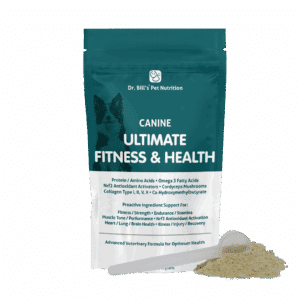
Canine Ultimate Fitness & Health
Price range: $37.99 through $69.99 — or subscribe to save 10% -
Canine Behavior Support
$24.99 — or subscribe to save 10% -
Canine Digestive Support
$31.99 — or subscribe to save 10%









0 Comments