

As dog owners, ensuring the health and well-being of our furry companions is a top priority. While our dogs can’t exactly communicate when something’s wrong, understanding common health issues can help us spot potential problems early, seek treatment, and even prevent them altogether. Below are some of the most common health issues dogs face, along with tips for prevention and management.
Hip Dysplasia
Hip dysplasia is a hereditary condition that primarily affects larger breeds, although it can also occur in smaller dogs. It occurs when the hip joint doesn’t develop properly, leading to joint instability and eventual arthritis. Affective prevention and management strategies include:
- Exercise: Regular, low-impact exercise, like swimming or walking on soft surfaces, can strengthen muscles around the joints without causing further strain.
- Supplements: Omega-3 fatty acids and glucosamine supplements help promote joint health. Fortunately, Dr. Bill’s Complete Joint Care includes all the necessary supplementation to provide optimal nutrition for your canine’s joint health.
- Weight Management: Keeping your dog at a healthy weight reduces stress on the hips and joints. Obesity can exacerbate hip dysplasia symptoms, leading to premature arthritis.
- Early Diagnosis: If you have a large-breed dog, regular vet checkups are crucial for early diagnosis and intervention.
Allergies
Dogs, like humans, can suffer from allergies to food, pollen, dust, or even certain materials in their environment. Symptoms of allergies can include itching, ear infections, watery eyes, or digestive issues like vomiting and diarrhea. Affective prevention and management strategies include:
- Limit Exposure: Try to identify the allergens affecting your dog. If it’s pollen, keep them inside on high pollen days. If dust or mold is the issue, clean their living area regularly.
- Dietary Adjustments: For food allergies, your vet might recommend switching to a limited-ingredient diet or hypoallergenic food. Fortunately, Dr. Bill’s Canine Immune Support is especially formulated to protect your dog’s immune system.
- Medication & Treatments: For seasonal allergies or environmental triggers, antihistamines or corticosteroids might be prescribed. Regular ear cleanings and baths can also help alleviate some allergy symptoms.
Dental Issues
Dental disease is incredibly common in dogs, with many showing signs of tooth decay, gum disease, and bad breath by the time they’re three years old. Left untreated, dental problems can lead to serious health issues, including heart and kidney disease. Affective prevention and management strategies include:
- Regular Brushing: The best way to prevent dental problems is through regular brushing with dog-safe toothpaste.
- Chew Toys & Dental Treats: Providing dental chews and toys can help reduce plaque buildup and keep your dog’s teeth clean.
- Annual Vet Checkups: Make sure your dog’s vet includes a dental exam in their routine checkups.
Obesity
Obesity is an increasingly common health issue among dogs, particularly in urban areas where dogs may not get as much exercise. Excess weight puts strain on your dog’s joints, heart, and liver and can lead to other health issues like diabetes and respiratory problems. Affective prevention and management strategies include:
- Portion Control: Monitor your dog’s calorie intake and feed them according to their size, age, and activity level. Avoid giving table scraps or excessive treats.
- Regular Exercise: Ensuring your dog gets regular physical activity is key to maintaining a healthy weight. Aim for at least 30 minutes to an hour of exercise daily, depending on your dog’s breed and energy level.
Ear Infections
Dogs with floppy ears, like Cocker Spaniels or Basset Hounds, are particularly prone to ear infections. These infections can be caused by bacteria, yeast, or even allergies and can lead to pain, discomfort, and potential hearing loss if left untreated. Affective prevention and management strategies include:
- Regular Ear Cleaning: Gently clean your dog’s ears with a vet-recommended ear cleaner to prevent wax buildup and reduce the risk of infection.
- Dry Ears: After swimming or bathing, make sure to dry your dog’s ears thoroughly, as moisture can promote bacterial growth.
- Vet Visits: If you notice signs of ear infections, like scratching, shaking their head, or a foul odor, seek veterinary care promptly.
Dr. Bill’s Pet Nutrition for Optimal Canine Health
Just like humans, dogs can suffer from a variety of health issues over the course of their lives. The good news is that many of these problems can be prevented or managed with proper care, regular vet visits, exercise, and especially their diet. Canines are known for their insatiable appetites, and the correct amount and type of food you should feed them depends primarily on their age, weight, and activity level. Originally formulated to help performance dogs reach their maximum potential, Dr. Bill’s Canine Ultimate Fitness & Health is a delicious, concentrated nutritional powder, providing a balanced blend of 55-nutrients your canine needs for better health, increased activity, maximized performance, the prevention of age-related diseases, and ultimately a longer, healthier, and more enjoyable life.
Recommended products
-

Canine Ultimate Fitness & Health
Price range: $37.99 through $69.99 — or subscribe to save 10% -
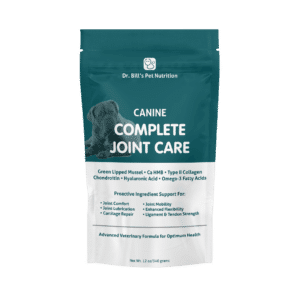
Canine Complete Joint Care
$79.99 — or subscribe to save 10% -
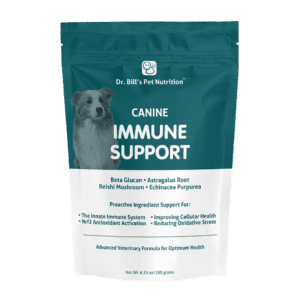
Canine Immune Support
$37.99 — or subscribe to save 10%











0 Comments