

Has your cat been making more trips to the litter box lately? Have they been straining, or even peeing outside the box? While UTIs (Urinary Tract Infections) are less common in cats than in dogs, they do happen in older or health-compromised felines. Let’s walk through what to watch for, what causes UTIs, and how to treat them.
What Is a Cat UTI?
A urinary tract infection involves bacteria invading the lower urinary tract, being the bladder and urethra. In cats, true bacterial UTIs are relatively rare as estimates suggest that only 3% of cats showing urinary signs are diagnosed with UTIs. This is because many urinary signs in cats are actually due to other causes like bladder stones, crystals, inflammation, or stress. However, the risk goes up in older cats or cats with underlying diseases like chronic kidney disease, diabetes, or hyperthyroidism.
Causes of UTIs in Cats
Some of the key contributors to UTIs in cats include:
- Bacterial invasion, usually from the gastrointestinal tract or lower urinary tract.
- Bladder stones or crystals that irritate the bladder lining.
- Urethral plugs or blockages, especially in male cats, where crystals, mucus, or debris can obstruct urine flow.
- Anatomic factors, such as shorter and wider urethras in females, or structural anomalies like ectopic ureters.
- Low water intake and concentrated urine, which can irritate the bladder and provide a fertile environment for bacteria or crystals.
- Stress & behavioral factors, as cats may hold in urine under stress, potentially increasing risk of urinary tract irritation or secondary infection.
Symptoms to Watch For
Because UTIs aren’t guaranteed, urinary signs themselves should purely be treated as a red flag that something’s wrong. Common symptoms include:
- Frequent trips to the litter box, but producing very little urine.
- Straining to urinate, often with discomfort or vocalization.
- Blood in their urine.
- Urinating outside the litter box.
- Excessive licking the genital area.
- Lethargy, reduced appetite, or vomiting.
- If a male cat becomes unable to urinate at all, consider this a medical emergency.
Treatment & Recovery
Your veterinarian may utilize the following tactics to treat a urinary tract infection:
- Antibiotics & Pain Relief: Bacterial UTIs are generally treated with a course of antibiotics. If your cat is in discomfort, the vet may also prescribe anti-inflammatory pain medication.
- Diet & Hydration: Many vets recommend switching to a canned wet diet to boost water intake and dilute their urine.
- Supportive Care: Encouraging drinking water, keeping litter boxes clean, reducing stress, and closely monitoring your cat’s output can all help support recovery.
- Follow-up Testing: Once treatment is done, vets often retest their urine to confirm the infection is cleared. If the infection persists or keeps recurring, further investigation is needed. Most cats recover in about 7–10 days, but recovery times can vary.
To manage and prevent your feline’s UTI, utilize these following tactics:
- Provide constant access to fresh water.
- Feed a wet food diet.
- Keep litter boxes clean and full.
- Minimize stress in your cat.
- Monitor and manage any underlying diseases.
Dr. Bill’s Pet Nutrition
If your cat is showing any signs of urinary distress, leaning on the side of caution is always wise. A quick veterinary evaluation can make all the difference, especially for male cats or cats with recurring symptoms.
Once your cat is on the mend, proper nutrition and immune support is critical to help prevent further problems. That’s where Dr. Bill’s Pet Nutrition comes in. Dr. Bill’s line of feline supplements, formulated with high-quality, biologically appropriate ingredients, can help support immune health, urinary tract balance, and overall vitality.
Ready to boost your cat’s health? Explore our feline supplement line and consider starting your cat on a proactive program (like Feline Fitness & Health or Immune Support) to help them recover from UTIs and prevent future infections.
Recommended products
-

Feline Ultimate Fitness & Health
$32.99 — or subscribe to save 10% -
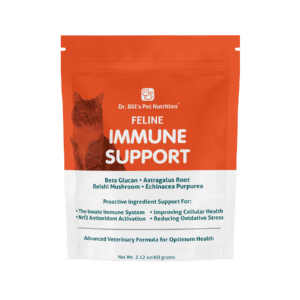
Feline Immune Support
$17.99 — or subscribe to save 10% -
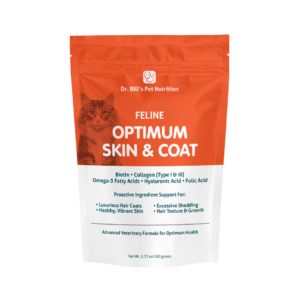
Feline Optimum Skin & Coat
$17.99 — or subscribe to save 10%









0 Comments