

Can cats get depressed? While there is no conclusive scientific evidence that cats experience seasonal affective disorder (SAD) in exactly the same way humans do, seasonal changes can affect a cat’s routine, activity levels, and behavior. Shorter days, colder temperatures, and changes in household routines may cause some cats to sleep more, play less, or become less active during the winter months.
Understanding your cat’s normal behavior can help you recognize when seasonal changes are simply affecting their routine—and when a change in behavior may warrant a conversation with your veterinarian.
Can Cats Get Seasonal Depression?
Cats don’t appear to experience seasonal depression exactly as humans do. However, changes in daylight, temperature, household routines, and activity levels can influence feline behavior.
During colder, darker months, your cat may naturally become less active and spend more time sleeping. Indoor cats may also have fewer opportunities for stimulation if windows stay closed, outdoor activities decrease, or their humans spend more time indoors.
These changes can sometimes look like depression. Your cat may seem less playful, sleep more than usual, or show less interest in activities they normally enjoy.
So, can cats get seasonal depression? It’s more accurate to say that seasonal changes may influence a cat’s mood, behavior, and daily routine rather than assuming that your cat has seasonal affective disorder.
What Are the Signs of Depression in Cats?
Although these behaviors don’t necessarily mean your cat is depressed, noticeable changes from your cat’s normal routine are worth paying attention to.
Potential signs of a cat feeling down or experiencing a change in behavior include:
- Sleeping significantly more than usual
- Decreased interest in play
- Less interaction with family members
- Changes in appetite
- Increased hiding or withdrawal
- Reduced grooming
- Changes in vocalization
- Less interest in favorite activities
It’s important not to automatically attribute these changes to the season. Pain, illness, stress, and age-related cognitive changes can also cause noticeable behavioral differences in cats.
If your cat’s behavior changes suddenly, persists over time, or is accompanied by changes in eating, drinking, litter box habits, or mobility, contact your veterinarian.
How Can You Help Your Cat During the Winter?
Keeping your cat mentally and physically stimulated can help make seasonal changes easier to navigate. Even indoor cats benefit from regular opportunities to play, explore, and interact with their environment.
Try these strategies to support your cat during the colder months:
- Provide Daily Play and Mental Stimulation: Interactive toys, puzzle feeders, climbing areas, and short training sessions can give your cat opportunities to stay mentally and physically engaged. Rotating toys and introducing new activities can also help prevent boredom.
- Maintain a Consistent Routine: Cats often thrive on predictable routines. Regular mealtimes, play sessions, and social interaction can provide structure throughout the day, even when your household schedule changes during the winter.
- Create an Enriching Environment: Environmental enrichment can help keep indoor cats active and engaged. A comfortable bed near a safe window can give your cat a cozy place to watch the world outside. You can also provide scratching posts, climbing areas, toys, and other safe activities that encourage natural feline behaviors.
- Pay Attention to Your Senior Cat’s Cognitive Health: For older cats, paying attention to cognitive health is especially important. Age-related cognitive changes can sometimes contribute to behaviors such as confusion, withdrawal, restlessness, and changes in sleep patterns. Supporting your cat’s brain health throughout their senior years may help promote overall quality of life.
Support Your Cat’s Cognitive Health with Dr. Bill’s
If your cat is getting older, nutritional support can be another part of a proactive approach to maintaining healthy brain and nervous system function.
Dr. Bill’s Feline Cognitive Support contains 36 essential ingredients designed to support memory, motor skills, mental focus, sensory function, and healthy brain function. It can be sprinkled directly onto your cat’s food or mixed with water to create a broth.
Give your cat’s brain the support it deserves. Help your feline companion stay mentally sharp and active through every season.
Explore Dr. Bill’s Feline Cognitive Support today and give your cat’s brain health the nutritional support it needs.
Recommended products
-
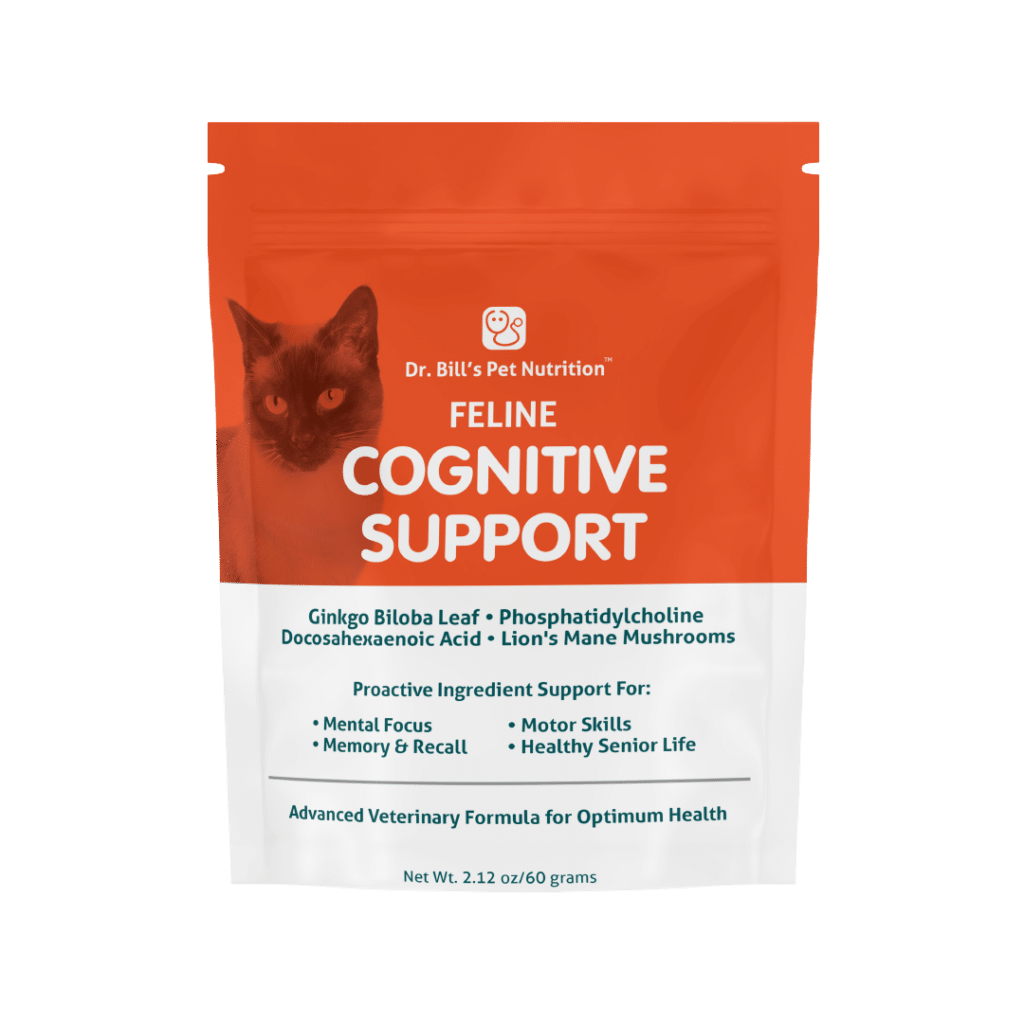
Feline Cognitive Support
$19.99 — or subscribe to save 10% -

Feline Complete Joint Care
$28.99 — or subscribe to save 10% -

Feline Immune Support
$19.99 — or subscribe to save 10%










0 Comments