

Quick Answer
- Dry cat food is better for convenience, affordability, and may provide mild dental support.
- Wet cat food is better for hydration, urinary health support, and palatability.
- Neither option is universally healthier. Ingredient quality and nutritional balance matter more than food format.
- Many veterinarians recommend a mixed feeding approach that combines the benefits of both wet and dry food.
When it comes to feeding your cat, one of the most common questions pet owners ask is whether wet food or dry food is the healthier choice. The truth is that both options offer benefits, and the best diet often depends on your cat’s age, lifestyle, hydration needs, and overall health.
Cats are obligate carnivores, meaning they thrive on diets rich in animal-based proteins and essential nutrients. No matter which food type you choose, the quality of the ingredients and overall nutritional balance should always come first. Veterinarians often point out that hydration, protein levels, and complete nutrition matter more than simply choosing wet or dry food alone.
Guidance in this article is informed by feline nutrition research and the nutritional philosophy behind Dr. Bill’s Pet Nutrition products, which are designed to support long-term feline wellness.
Wet vs. Dry Cat Food Comparison
| Factor | Dry Food (Kibble) | Wet Food |
| Hydration | Low | High |
| Dental Support | Mild benefit | Minimal |
| Cost | Lower | Higher |
| Palatability | Moderate | High |
| Storage | Easy, long shelf life | Requires refrigeration after opening |
| Calories | More calorie-dense | Less calorie-dense |
| Convenience | Very convenient | Requires more preparation |
| Urinary Health Support | Depends on water intake | Often beneficial due to moisture content |
Why Do Vets Recommend Dry Cat Food?
Dry cat food remains a popular choice because it’s convenient, affordable, and easy to store. Kibble can be left out longer without spoiling, making it ideal for free-feeding households or busy pet owners.
High-quality dry foods can provide complete and balanced nutrition for cats. Many modern formulas are carefully designed to meet feline nutritional requirements and support healthy body function. Some veterinarians and pet nutrition experts note that a properly formulated kibble can be perfectly healthy when paired with adequate water intake. Dry food may also provide mild dental benefits by helping reduce plaque buildup during chewing, although it should never replace routine dental care.
The biggest concern with dry food is its low moisture content. Cats eating primarily kibble may be at greater risk of dehydration if they do not drink enough water. Additionally, some lower-quality dry foods may contain excessive carbohydrates or fillers that are less aligned with a cat’s natural dietary needs.
Is Wet Cat Food Healthier for Cats?
Wet cat food contains significantly more moisture than dry kibble, typically around 70-80% water. This can be especially beneficial because many cats naturally have a low thirst drive and may not drink enough water on their own. Increased moisture intake can help support:
- Urinary tract health
- Kidney function
- Healthy hydration levels
- Overall wellness
Wet food is often highly palatable, making it an excellent choice for picky eaters, senior cats, or cats with dental issues. Because of its soft texture and strong aroma, many cats find canned or pouch foods more appealing than dry kibble.
Another advantage is that wet food is often lower in carbohydrates and higher in animal-based protein, which more closely aligns with a cat’s natural dietary preferences. Some nutrition experts believe moisture-rich diets may better mimic the hydration cats would receive from prey in the wild. However, wet food does have drawbacks. It tends to be more expensive, spoils faster once opened, and may require more frequent feeding schedules.
Which Is Better: Wet or Dry Cat Food?
There is no universal answer to whether wet or dry cat food is healthier. For many cats, a combination of both can provide the best balance of hydration, convenience, taste, and nutrition. This mixed-feeding approach is commonly recommended because it allows cats to benefit from the moisture content of wet food while still enjoying the convenience and affordability of dry food.
When evaluating kibble vs. canned cat food pros and cons, the most important factors are:
- Ingredient quality
- Appropriate protein levels
- Moisture intake
- Overall nutritional balance
- Your cat’s individual health needs
Wet food may be particularly beneficial for:
- Cats prone to urinary issues
- Cats with kidney concerns
- Senior cats
- Cats who struggle to stay hydrated
- Picky eaters
Dry food may work well for:
- Healthy adult cats with good water intake
- Multi-cat households
- Owners seeking convenience and affordability
- Cats with consistent feeding routines
How to Choose Between Wet and Dry Cat Food
Choose Dry Food If Your Cat Is:
- A healthy adult with good water intake
- Fed on a tighter budget
- Living in a multi-cat household
- Benefiting from convenient free-feeding options
Choose Wet Food If Your Cat Is:
- A picky eater
- A senior cat
- Needing additional hydration support
- Prone to urinary tract concerns
- Less interested in drinking water
Choose Both If Your Cat Is:
- Healthy and active but could benefit from added moisture
- Enjoying meal variety
- Transitioning between life stages
- Needing balanced benefits from both feeding styles
Many cat owners are pleased to learn that mixed feeding is often an effective way to combine the advantages of both options.
Support Any Diet with Dr. Bill’s Feline Ultimate Fitness & Health
No matter whether your cat prefers wet food, dry kibble, or a mix of both, adding targeted nutritional support can help fill dietary gaps and promote overall wellness. Dr. Bill’s Feline Ultimate Fitness & Health is formulated with proteins, vitamins, minerals, omega fatty acids, and specialty ingredients designed to support long-term feline health and vitality.
What It Supports
- Muscle tone and daily activity
- Healthy aging
- Joint health and mobility
- Immune function
- Healthy weight management
- Whole-body wellness
How to Use It
- Sprinkle directly onto dry kibble
- Mix into wet food
- Blend with water to create a flavorful broth
- Use as part of a mixed-feeding routine
Whether your feline companion is a playful kitten, active adult, or aging senior, Dr. Bill’s Feline Ultimate Fitness & Health offers a convenient way to support daily nutrition and long-term wellness.
Recommended products
-
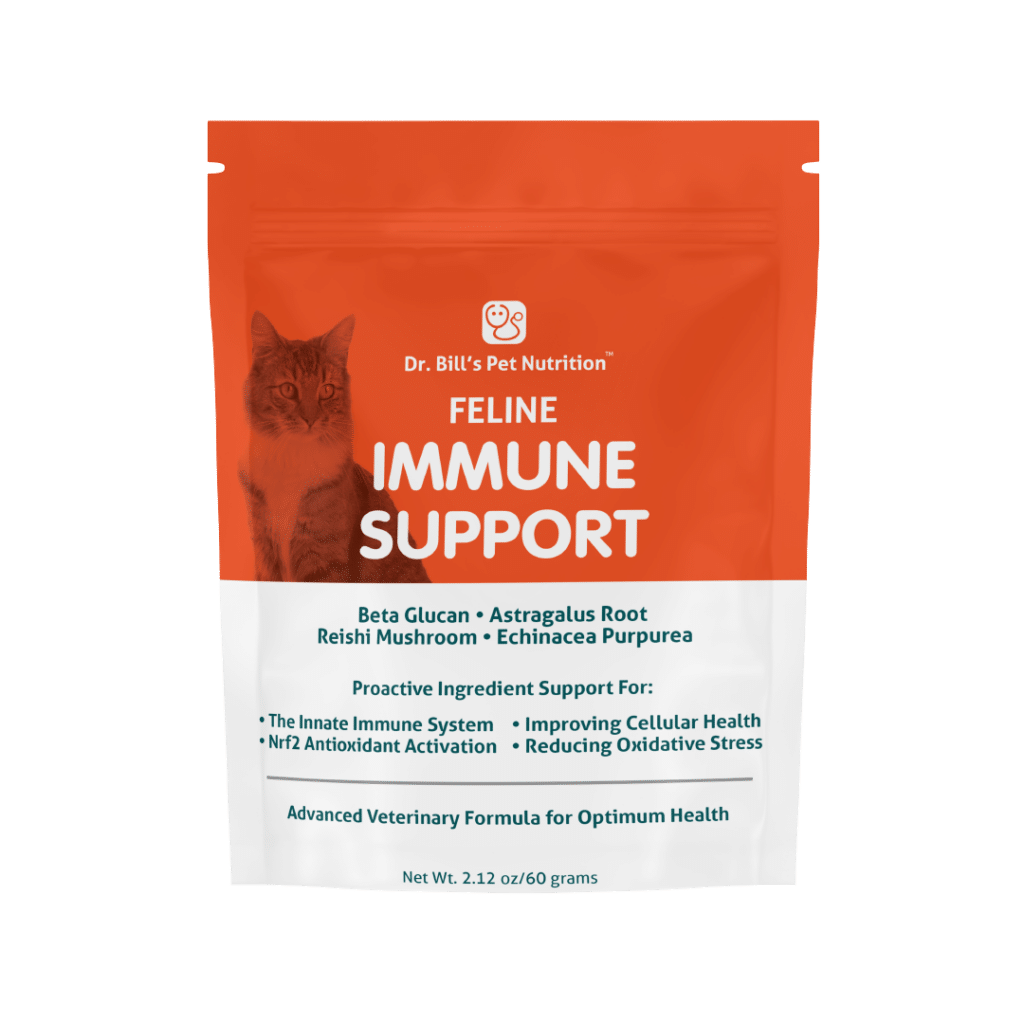
Feline Immune Support
$19.99 — or subscribe to save 10% -
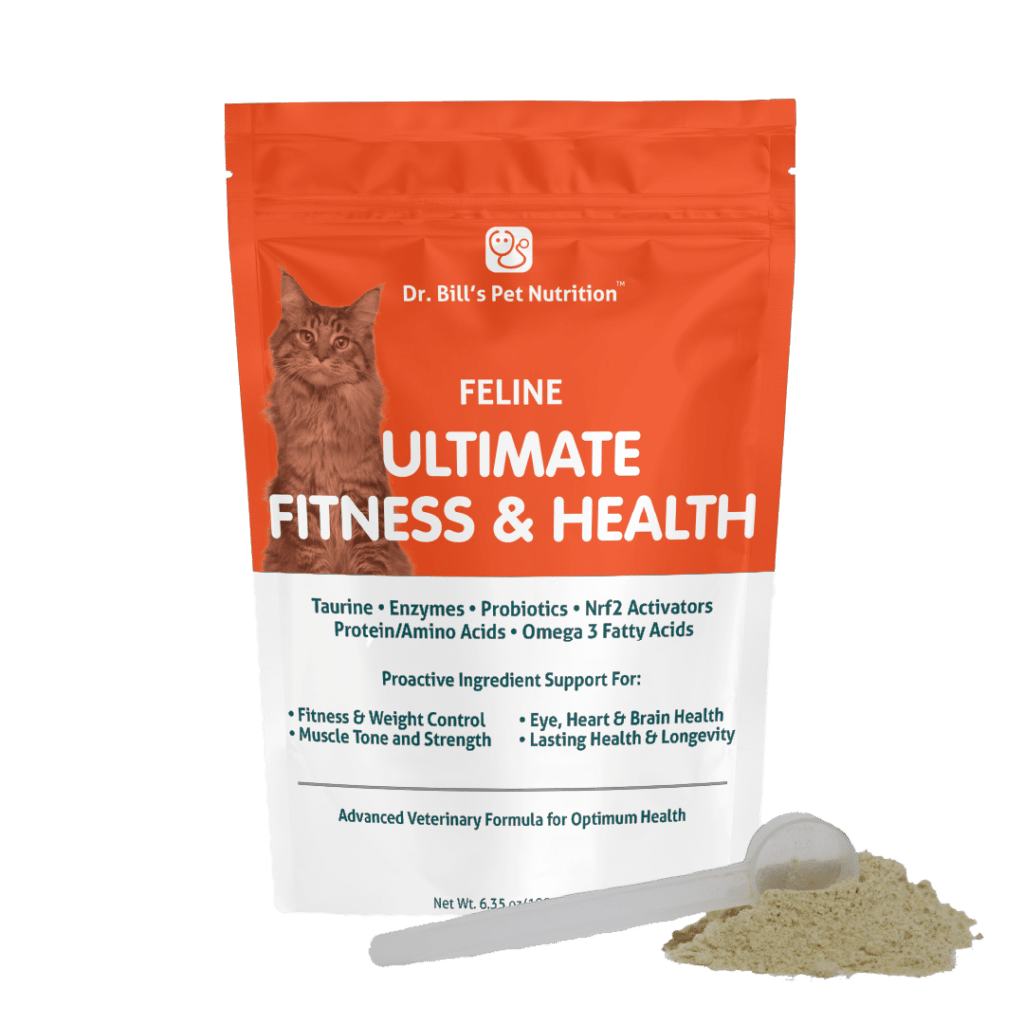
Feline Ultimate Fitness & Health
$33.99 — or subscribe to save 10% -
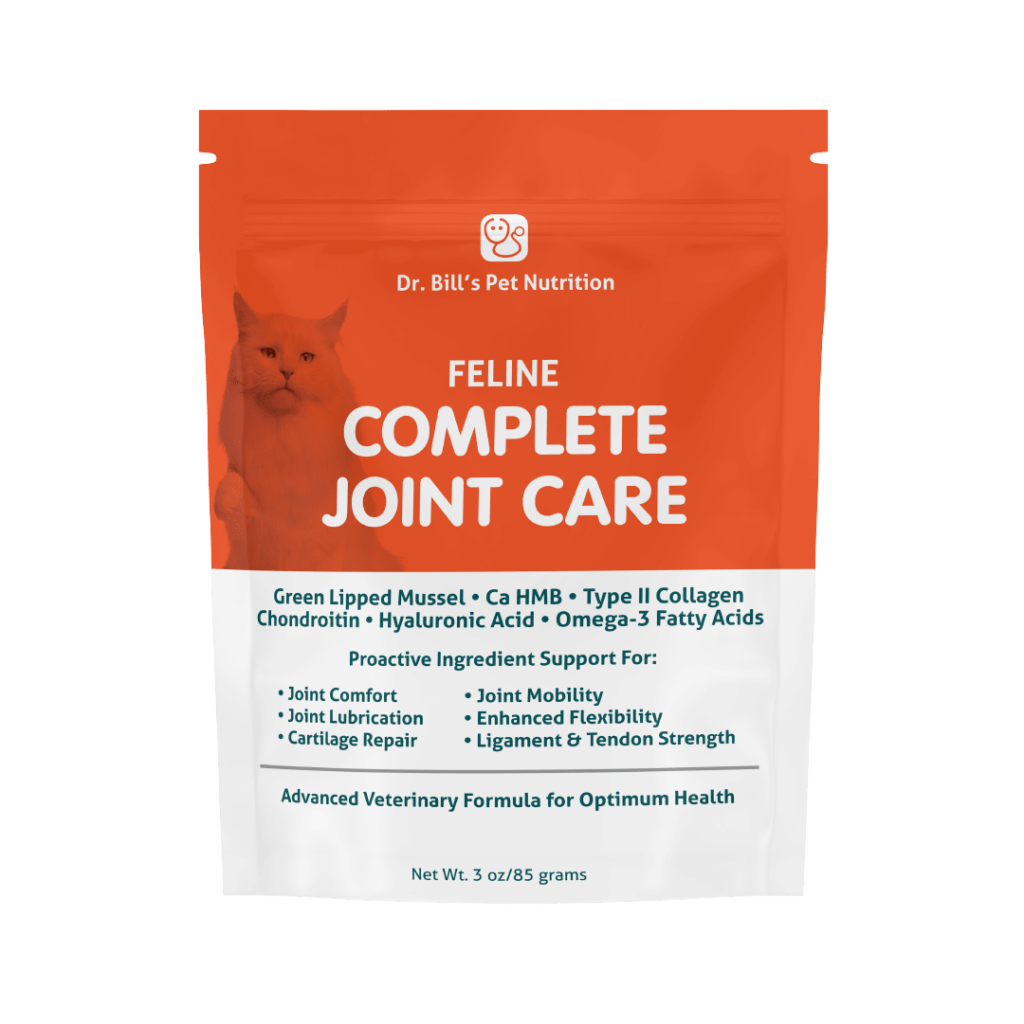
Feline Complete Joint Care
$28.99 — or subscribe to save 10%


Frequently Asked Questions
Is wet or dry cat food better for kittens?
Both can be appropriate when nutritionally complete and balanced. Many kitten owners use wet food or a combination of wet and dry food to support hydration and growth.
Can I mix wet and dry cat food together?
Yes. Many veterinarians recommend mixed feeding because it combines the hydration benefits of wet food with the convenience of dry food.
Does dry food clean cats’ teeth?
Dry food may provide mild plaque-reducing benefits through chewing, but it does not replace professional dental care or regular tooth brushing.
Is wet food better for senior cats?
Wet food is often beneficial for senior cats because it is easier to chew and provides additional hydration.
How much water should cats eating kibble drink?
Cats eating primarily dry food generally need to consume more water than cats eating wet food. Fresh, clean water should always be available.
What is the best cat food for hydration?
Wet cat food is generally considered the best cat food for hydration because it contains substantially more moisture than dry kibble.
Is dry food bad for cats?
Not necessarily. High-quality dry food can provide complete and balanced nutrition when paired with adequate water intake and appropriate portion control.
Key Takeaways
- Neither wet or dry cat food is inherently superior.
- Moisture content, ingredient quality, and nutritional balance matter most.
- Wet food provides hydration benefits and is often preferred by picky eaters.
- Dry food offers convenience, affordability, and mild dental support.
- Mixed feeding is commonly recommended because it combines the benefits of both formats.
- Individual health needs, age, and lifestyle should guide your feeding decisions.





0 Comments