

Grooming your cat is not just about keeping them looking sharp, it’s an essential part of their overall health and well-being. Regular grooming helps maintain a clean coat, reduces shedding, prevents mats and tangles, and gives you the opportunity to monitor for any skin issues, parasites, or health concerns. Whether your feline friend loves or dislikes grooming, it’s important to make the process as smooth and enjoyable as possible for both of you. Here’s a simple 5-step guide to help you get started with cat grooming at home.
Step 1: Prepare Supplies
Before you begin, make sure you have all the necessary grooming tools. These include:
- A Brush or Comb: The type of brush depends on your cat’s coat. Long-haired cats will need a wide-toothed comb or slicker brush to prevent tangles and mats. Short-haired cats can typically get by with a soft bristle brush.
- Nail Trimmers: Make sure they are specifically designed for cats.
- Ear Cleaner: If your cat’s ears are dirty or waxy, an ear cleaner can help.
- Towel: For drying your cat.
- Cat-Friendly Shampoo: If your cat needs a bath, make sure to use a shampoo specifically formulated for cats.
Once you’ve gathered everything, create a calm and quiet space to groom your cat. Choose a spot with plenty of light where your cat feels comfortable.
Step 2: Brushing & Combing
Brushing is one of the most important aspects of cat grooming, as it helps remove loose hair and prevent matting. Long-haired cats, like Persians or Maine Coons, need daily brushing; while short-haired cats only need a few sessions per week.
- Start Slowly: Begin by gently brushing your cat in the direction of the hair growth. Always use soft slow strokes to avoid stressing them out.
- Handle Tangles: If you encounter any mats or tangles, use a comb to gently loosen them. For severe mats, you may need to carefully cut them out with grooming scissors.
- Focus on Problem Areas: Pay special attention to areas like the belly, underarms, and behind the ears, as these spots tend to collect mats or tangles.
Step 3: Nail Clipping
Clipping your cat’s nails is crucial to prevent them from becoming too long, which can cause discomfort or lead to injury. Regular trimming also prevents your cat from scratching furniture or people.
- Get Them Used to the Process: Gently handle your cat’s paws in the days leading up to the nail trimming session.
- Trim Carefully: Use a pair of cat-specific nail trimmers to clip just the sharp tip of each claw, being careful not to cut into the quick. If your cat has dark claws, trim little by little to avoid cutting too much.
- Take Breaks: If your cat becomes stressed, take breaks. It’s better to do small manageable sessions than to rush and cause anxiety.
Step 4: Ear Cleaning
Cat ears can collect wax and debris, leading to infections or discomfort. Cleaning your cat’s ears should be done with caution and only when necessary.
- Inspect Their Ears: Look for signs of dirt, wax buildup, or infection.
- Use Cat-Safe Cleaner: Apply a small amount of ear cleaner to a cotton ball or gauze pad and gently wipe the inside of their ear.
- Be Gentle: Cat ears are delicate, so always be gentle and never force anything into their ear canal.
Step 5: Bathing (Optional)
Most cats are excellent at grooming themselves and don’t need frequent baths. However, some cats, especially those with medical conditions, long hair, or those who get dirty, may need the occasional bath.
- Use Cat-Specific Shampoo: Always use a cat-safe shampoo, as human products can irritate their skin.
- Be Calm: Keep the water temperature lukewarm and ensure your cat is comfortable in the tub or sink. Talk to your cat calmly throughout the bath.
- Drying: Gently towel-dry your cat after the bath. If your cat tolerates it, you can use a blow dryer on a low cool setting to help dry their coat. Be sure to brush out any tangles after the bath.
Step 6: Supplement With Dr. Bill’s Feline Optimum Skin & Coat
Grooming your cat doesn’t need to be a stressful experience for either of you. By following this 5-step grooming process, you’ll help maintain your cat’s health and comfort while also strengthening your bond. However, no feline grooming strategy is complete without Dr. Bill’s Feline Optimum Skin & Coat. A cat’s fur is a good indicator of their overall health. Changes in coat color or quality can be the first sign of disease. Help maintain that natural shine or recover that perfect coat with a tried and proven product that provides all essential skin and coat nutrient ingredients in an easy to digest and utilize form. Veterinarians and breeders know that Feline Optimum Skin & Coat really works, that is why they have been recommending it and using it for over 40 years. The 70 active ingredients in Feline Optimum Skin & Coat are formulated to provide a blend of high biological value proteins, Type I & III Collagen, Omega-6 and Omega-3 Fatty Acids, vitamins, minerals, and multiple specialty ingredients known to be helpful in the structure & function of healthy skin and hair coat management.
Recommended products
-
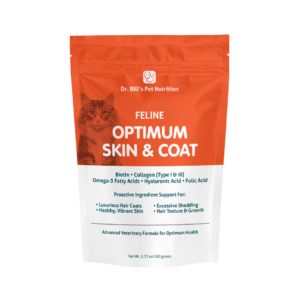
Feline Optimum Skin & Coat
$17.99 — or subscribe to save 10% -

Feline Ultimate Fitness & Health
$32.99 — or subscribe to save 10% -

Feline Digestive Support
$19.99 — or subscribe to save 10%








0 Comments