

Quick Answer
- Dry dog food is better for convenience and dental support.
- Wet dog food is better for hydration and palatability.
- Neither is universally ‘healthier’ quality ingredients. Nutritional balance and formulation matter more than food format.
- Many veterinarians recommend a mixed feeding approach that combines the benefits of both wet and dry food.
When comparing dry vs. wet dog food, the best choice depends on your dog’s age, activity level, health needs, and personal preferences. Guidance informed by decades of canine nutrition research and clinical experience from Dr. Bill’s Pet Nutrition suggests that selecting a high-quality diet tailored to your dog’s individual needs is more important than choosing one format exclusively.
Why Do Vets Recommend Dry Dog Food?
Dry dog food, commonly called kibble, remains one of the most popular feeding options among pet owners and veterinarians alike. One of the primary reasons vets recommend dry food is convenience. Kibble is easy to store, simple to portion, and typically costs less per serving than canned food.
Dry food may also provide moderate dental benefits. The crunchy texture can help reduce plaque and tartar buildup during chewing, supporting healthier teeth and gums over time. While kibble should not replace regular dental care, it may contribute to better oral health as part of a complete wellness routine.
Another advantage is nutritional density. Many high-quality dry foods contain balanced levels of protein, healthy fats, vitamins, and minerals. Active dogs often benefit from the calorie-dense nature of kibble, which can help support energy levels, muscle maintenance, and endurance. However, because dry food contains relatively little moisture, dogs eating primarily kibble should always have access to plenty of fresh water throughout the day.
Is Wet Dog Food Healthier for Dogs?
Wet dog food offers several unique advantages that make it an excellent choice for many pets. One of the biggest benefits is hydration. Because canned dog food contains significantly more moisture than kibble, it can help support urinary tract health, kidney function, and overall hydration. This makes wet food one of the best dog food options for hydration support.
Many dogs also find wet food more appealing due to its stronger aroma and flavor. As a result, wet food is often recommended for:
- Picky eaters
- Senior dogs
- Dogs recovering from illness
- Dogs with reduced appetites
The softer texture can also make meals easier to consume for dogs with dental issues, missing teeth, or jaw discomfort. Additionally, some wet food formulas contain higher protein levels and fewer carbohydrates than comparable dry foods. Because wet food is typically less calorie-dense, it may help some dogs feel satisfied while consuming fewer calories, which can support healthy weight management.
The primary drawbacks are cost and storage requirements. Wet food generally costs more per serving and must be refrigerated after opening.
Kibble vs. Canned Dog Food: Pros and Cons
| Factor | Dry Food (Kibble) | Wet Food |
| Hydration | Low | High |
| Dental Support | Moderate Benefit | Low |
| Cost | Lower | Higher |
| Palatability | Moderate | High |
| Storage | Easy, Long Shelf Life | Requires Refrigeration |
| Calories | Denser | Less Dense |
| Convenience | High | Moderate |
| Best For | Active Dogs, Budget-Conscious Owners | Picky Eaters, Seniors, Hydration Support |
This comparison highlights why there is no one-size-fits-all answer when evaluating kibble vs. canned dog food pros and cons.
Which Is Better: Wet or Dry Dog Food?
The truth is that neither wet or dry dog food is inherently healthier than the other. What matters most is:
- Ingredient quality
- Nutritional completeness
- Appropriate calorie intake
- Protein quality
- Digestibility
- Your dog’s individual health needs
In fact, many veterinarians recommend mixed feeding because it allows dogs to enjoy the benefits of both food types. A combination approach can provide:
- The hydration and flavor of wet food
- The convenience and dental support of kibble
- Increased meal variety
- Greater flexibility for pet owners
For many households, mixed feeding represents the best balance between nutrition, convenience, and enjoyment.
How to Choose Between Wet and Dry Dog Food
If you’re wondering whether to choose wet food, dry food, or both, consider your dog’s specific needs:
Choose Dry Food If Your Dog:
- Needs a cost-effective daily diet
- Is highly active and requires calorie-dense meals
- Benefits from additional dental support
- Eats consistently without encouragement
Choose Wet Food If Your Dog:
- Is a picky eater
- Is a senior dog
- Needs hydration support
- Has dental challenges or difficulty chewing
Choose Both If Your Dog:
- Enjoys variety
- Needs balanced benefits from each format
- Could benefit from additional hydration while maintaining convenience
- Thrives on a mixed feeding routine
Best Feeding Approach by Dog Type
- Best for Puppies: Either format can work when nutritionally complete and age-appropriate.
- Best for Senior Dogs: Wet food or mixed feeding is often preferred due to hydration and easier chewing.
- Best for Active Breeds: Dry food provides convenient calorie density.
- Best for Picky Eaters: Wet food often improves meal acceptance.
- Best for Dogs with Dental Issues: Wet food may be easier to consume, while dental-specific kibble may help maintain oral health.
Support Any Diet with Dr. Bill’s Canine Ultimate Fitness & Health
No matter whether your dog prefers wet food, dry food, or a combination of both, targeted nutritional support can help elevate their overall wellness. Based on current canine nutrition research and decades of experience in pet nutrition, Dr. Bill’s Canine Ultimate Fitness & Health was formulated to complement virtually any feeding program.
What It Supports
- Muscle tone and endurance
- Joint health and mobility
- Immune function
- Healthy weight management
- Daily vitality and wellness
How to Use It
- Sprinkle directly onto wet food
- Mix into dry kibble
- Blend with water to create a flavorful broth
This comprehensive supplement contains high-quality proteins, essential fatty acids, vitamins, minerals, and specialty nutrients designed to help dogs of all ages thrive.
Whether you have a growing puppy, an active adult, or a beloved senior companion, Canine Ultimate Fitness & Health integrates seamlessly into your dog’s existing feeding routine.
Recommended products
-
Canine Immune Support
$39.99 — or subscribe to save 10% -
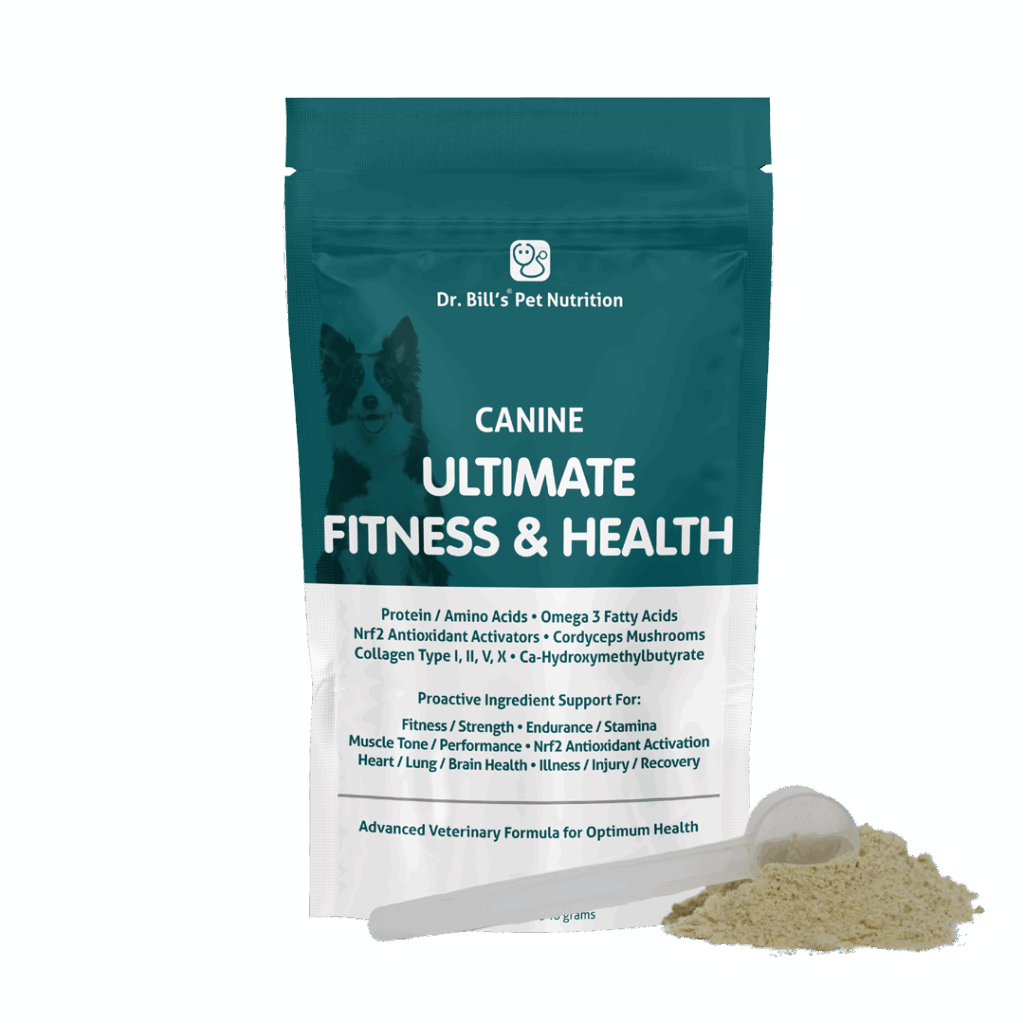
Canine Ultimate Fitness & Health
Price range: $39.99 through $69.99 — or subscribe to save 10% -
Canine Cognitive Support
$44.99 — or subscribe to save 10%


Frequently Asked Questions
Is wet or dry dog food better for puppies?
Both wet and dry puppy foods can be healthy choices when formulated to meet puppy nutritional requirements. The best option depends on your puppy’s preferences, breed, and developmental needs.
Can I mix wet and dry dog food together?
Yes. Many veterinarians recommend mixed feeding because it combines the hydration benefits of wet food with the convenience and dental support associated with kibble.
Does dry food clean dogs’ teeth?
Dry food may help reduce some plaque and tartar buildup through chewing action, but it should not replace regular brushing and professional dental care.
Is wet food better for senior dogs?
Wet food is often beneficial for senior dogs because it provides additional moisture and is easier to chew. Many older dogs also find wet food more appealing.
How much water should dogs on kibble drink?
Water needs vary by size, activity level, and environment, but dogs eating primarily dry food generally require greater water intake than dogs consuming wet food. Fresh, clean water should always be available.
What is the best dog food for hydration?
Wet dog food typically provides the highest moisture content and can be an excellent choice for supporting hydration.
Are there benefits to mixed feeding?
Yes. Mixed feeding can offer hydration, variety, convenience, taste appeal, and balanced nutritional benefits from both wet and dry food.
Key Takeaways
- Neither wet or dry dog food is inherently superior.
- Moisture content, ingredient quality, protein sources, and formulation matter most.
- Mixed feeding is commonly recommended by veterinarians.
- Wet food excels at hydration and palatability.
- Dry food offers convenience, affordability, and dental support.
- Individual dog needs should guide the final decision.








0 Comments