

As cats grow older, their bodies naturally undergo changes that can affect their strength, mobility, and overall health. One of the most common yet overlooked changes is muscle loss in senior cats, which often develops gradually and can be difficult for pet owners to recognize.
While some muscle loss is associated with aging, significant changes in your cat’s muscle mass shouldn’t be ignored. Understanding the causes, recognizing the warning signs, and providing proper nutrition can help your feline companion maintain strength, comfort, and quality of life throughout their golden years.
Quick Answer: Is Muscle Loss Normal in Senior Cats?
Some muscle loss is common as cats age, but significant or rapid muscle deterioration isn’t something pet owners should dismiss as normal aging.
- Common signs: Thinner hind legs, prominent spine or hips, decreased activity, and difficulty jumping.
- Potential causes: Aging, inadequate nutrition, reduced physical activity, or underlying medical conditions.
- Prevention: High-quality protein, appropriate exercise, regular veterinary checkups, and nutritional support can help maintain muscle health.
- When to seek help: Sudden muscle loss, unexplained weight loss, or noticeable weakness should prompt a veterinary examination.
What Are the Signs of Muscle Loss in Senior Cats?
Cats are particularly good at hiding physical discomfort and weakness, making muscle loss challenging to detect in its early stages.
Common warning signs include:
- Prominent bones: The spine, hips, or shoulder blades become more noticeable.
- Thinner hind legs: Reduced muscle mass around the thighs and hips can create a noticeably slimmer appearance.
- Difficulty jumping: Your cat may hesitate before jumping onto furniture or stop climbing altogether.
- Reduced activity: Previously playful cats may spend more time resting or avoid physical activity.
- Changes in posture: Muscle weakness may affect how your cat stands, walks, or balances.
- Difficulty grooming: Reduced strength, flexibility, or joint discomfort may make certain areas harder to reach.
Interestingly, cats can lose muscle without experiencing significant weight loss. This happens when declining muscle mass is partially offset by body fat.
That’s why monitoring your cat’s physical appearance and mobility is just as important as tracking their weight.
What Causes Muscle Loss in Aging Cats?
Age-related muscle loss, also known as sarcopenia, occurs when cats gradually lose muscle mass and strength as they get older.
Several factors can contribute to muscle loss in senior cats.
1. Natural Changes Associated with Aging
As cats age, their bodies may become less efficient at maintaining muscle tissue. Changes in protein metabolism can make preserving muscle mass increasingly difficult.
2. Reduced Physical Activity
Older cats may exercise less because of fatigue, stiffness, or joint discomfort. Unfortunately, reduced movement can contribute to further muscle weakness.
3. Inadequate Nutrition
Cats are obligate carnivores, meaning they require specific nutrients found naturally in animal tissues. Insufficient protein, calories, or essential amino acids can contribute to muscle deterioration.
Some senior cats also experience changes in digestion that make utilizing nutrients more challenging.
4. Underlying Health Conditions
Not all muscle loss is caused by aging.
Conditions such as kidney disease, hyperthyroidism, diabetes, cancer, and gastrointestinal disorders can contribute to muscle wasting.
Disease-related muscle loss is sometimes called cachexia, which differs from sarcopenia because it occurs in association with an underlying illness.
Any noticeable or progressive muscle loss should be evaluated by a veterinarian to identify its cause.
How Can You Tell if Your Senior Cat Is Losing Muscle?
One useful way to monitor muscle health is through a Muscle Condition Score (MCS).
Veterinarians use this assessment to evaluate muscle mass by examining and gently feeling specific areas of a cat’s body, including:
- The spine and surrounding back muscles
- The shoulder blades
- The skull and surrounding muscles
- The pelvis and hips
Muscle condition is generally categorized as normal, mild loss, moderate loss, or severe loss.
At home, you can gently feel these areas periodically and look for changes in muscle coverage. However, a professional assessment is important because muscle loss can occur even when your cat maintains a healthy body weight.
Ask your veterinarian to evaluate your cat’s muscle condition during routine wellness examinations.
How Can You Help Prevent Muscle Loss in Senior Cats?
Although aging cannot be stopped, several lifestyle and nutritional strategies can help preserve your cat’s muscle mass and physical strength.
1. Provide High-Quality Protein
Protein supplies the essential amino acids needed to build and maintain healthy muscle tissue.
As cats age, adequate amounts of highly digestible, high-quality protein become especially important.
Healthy senior cats may benefit from diets designed to provide sufficient protein and calories to maintain lean body mass.
However, cats with certain medical conditions, including kidney disease, may require individualized nutritional recommendations.
Consult your veterinarian before making significant dietary changes.
2. Encourage Gentle Daily Exercise
Regular physical activity helps maintain muscle strength, flexibility, and mobility.
Try incorporating:
- Short, interactive play sessions with wand toys
- Puzzle feeders that encourage gentle movement
- Low climbing platforms and accessible cat trees
- Toys that encourage walking, reaching, and stretching
Focus on activities that match your cat’s physical abilities without causing unnecessary strain.
3. Monitor Body Weight and Muscle Condition
Weight alone doesn’t always provide an accurate picture of your cat’s health.
Weigh your cat regularly, observe changes in body shape, and pay attention to muscle coverage around the spine, shoulders, and hips.
Routine veterinary examinations can help detect muscle deterioration before it becomes severe.
4. Make Your Home Senior-Cat Friendly
Creating a comfortable environment can encourage older cats to remain active.
Consider adding steps or ramps to favorite resting areas, providing easily accessible food and water, and placing litter boxes where your cat doesn’t need to climb stairs.
Small environmental changes can help reduce physical strain while supporting independence and mobility.
5. Support Their Nutritional Needs
Alongside a complete and balanced diet, appropriate nutritional supplements can provide additional support for overall wellness.
High-quality proteins, essential amino acids, fatty acids, vitamins, and minerals all contribute to maintaining normal muscle function and a healthy body.
Always consult your veterinarian before introducing new supplements, particularly if your cat has an underlying medical condition.
Frequently Asked Questions About Muscle Loss in Senior Cats
At What Age Do Cats Start Losing Muscle?
Age-related muscle loss generally becomes more noticeable as cats enter their senior years, typically around age 10 and older. However, the timing varies depending on genetics, nutrition, activity levels, and overall health.
Why Is My Senior Cat Losing Muscle in Their Back Legs?
Muscle loss in the hind legs may result from aging, reduced activity, arthritis, neurological conditions, or underlying illness. A veterinary examination can help determine whether the changes are age-related or require medical treatment.
Can Senior Cats Regain Lost Muscle Mass?
Some cats may regain muscle mass when underlying medical conditions are treated and appropriate nutrition and physical activity are introduced. However, recovery depends on the cause and severity of muscle loss, and age-related changes may not be completely reversible.
Can a Cat Lose Muscle Without Losing Weight?
Yes. Cats can experience declining muscle mass while maintaining relatively stable body weight, particularly if body fat increases. This is why evaluating muscle condition is essential, even when your cat’s weight appears normal.
Should Senior Cats Eat More Protein?
Many healthy senior cats benefit from sufficient amounts of highly digestible protein to support muscle maintenance. However, protein requirements vary depending on individual health conditions. Your veterinarian can help determine the most appropriate nutritional plan.
Support Your Senior Cat’s Strength with Dr. Bill’s
Help your aging feline maintain strength, vitality, and overall wellness with Dr. Bill’s Feline Ultimate Fitness & Health.
Formulated with high-quality proteins, essential fatty acids, vitamins, minerals, and specialty nutrients, this daily supplement is designed to support healthy muscle tone, strength, mobility, and whole-body fitness.
Give your senior cat the nutritional support they deserve. Shop Feline Ultimate Fitness & Health today!
Recommended products
-
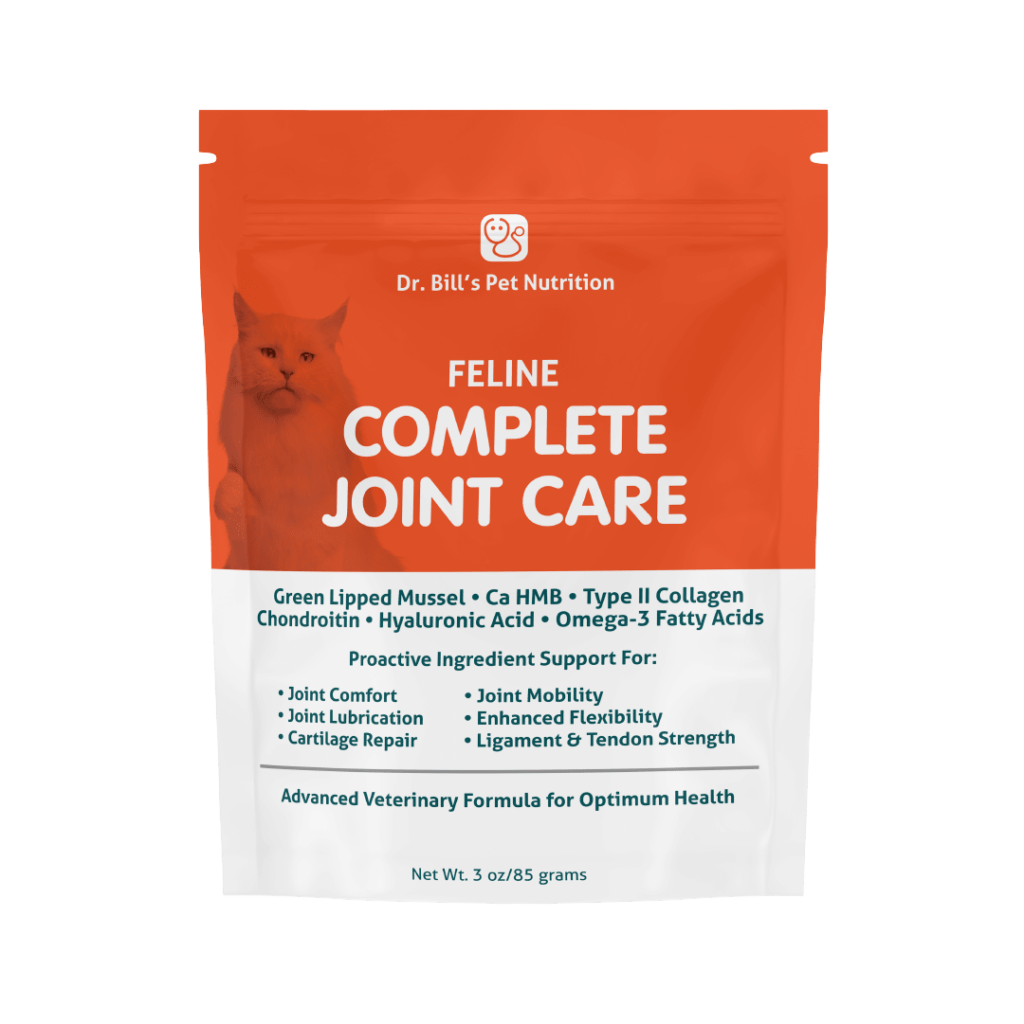
Feline Complete Joint Care
$28.99 — or subscribe to save 10% -

Feline Digestive Support
$21.99 — or subscribe to save 10% -
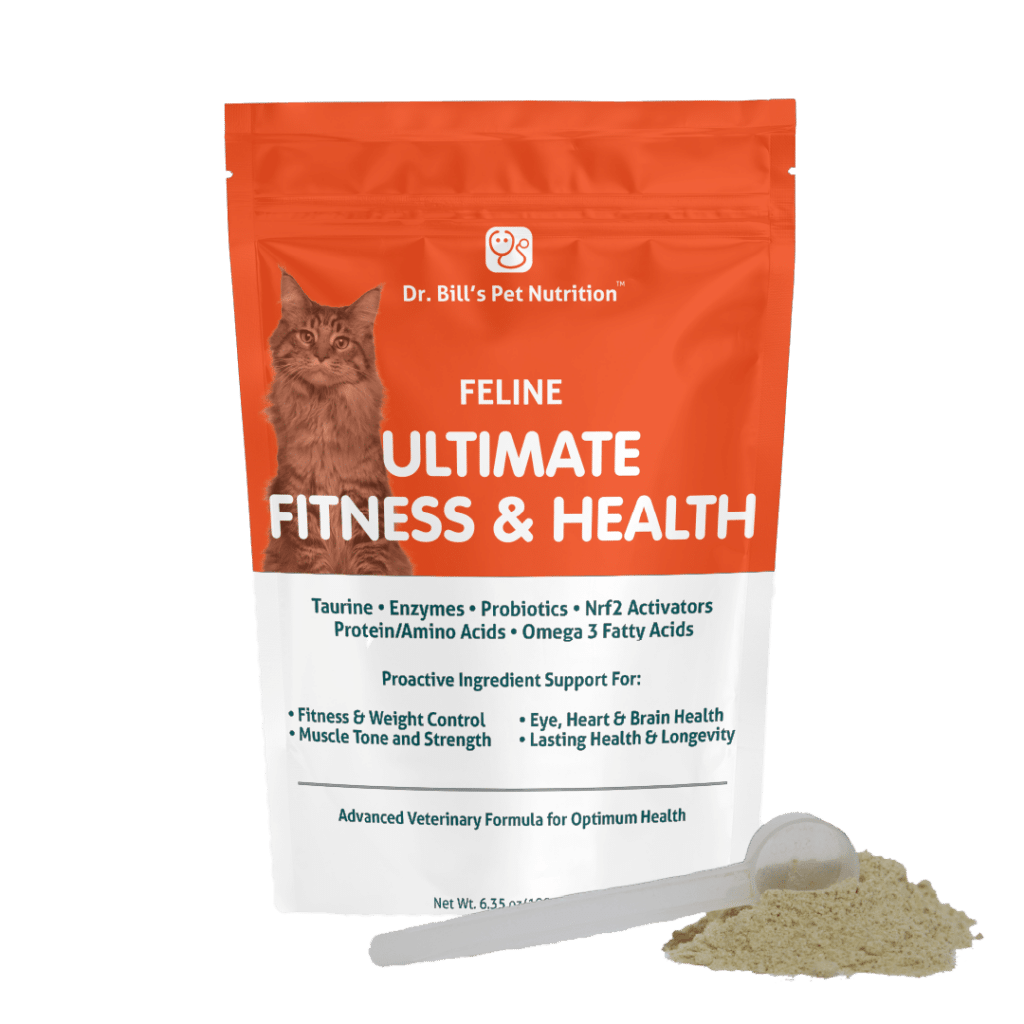
Feline Ultimate Fitness & Health
$33.99 — or subscribe to save 10%





0 Comments